

Ontario inspection standards can reject a vehicle when windshield cracks extend more than 50 mm into the wiper swept area or when chips in that zone grow beyond 13 mm.1 In winter, freeze-thaw cycles, road salt, and rapid temperature changes can turn small surface issues into larger cracks. Learning how to keep the windshield from freezing helps reduce that risk before it spreads across your field of view.
Small chips can quickly worsen during freeze-thaw cycles, making it important to schedule a reliable windshield replacement in Oakville before the damage spreads across the glass and affects your safety.
How To Keep Your Windshield From Freezing Before A Cold Night
The easiest prevention happens before frost forms. Park in a garage or covered area when possible. A fitted windshield cover gives the best surface protection because it blocks frost and freezing rain from bonding to the glass.
A clean windshield also freezes less stubbornly. Dirt, salt film, and wiper residue create small grip points. Wash the glass during winter and use winter-rated washer fluid.
Good habits for your windshield during winter include:
- Lift wipers only when the forecast calls for freezing rain or heavy snow.
- Check for chips before a cold snap, since trapped moisture expands when it freezes.
- Replace worn wipers before the metal frame starts scraping the glass.
- Avoid parking under trees where meltwater can refreeze.
Good to Know: Ontario’s Highway Traffic Act requires a clear view through the windshield and front side windows.2 This means that even light frost left behind can put you at risk.
How To Prevent Frost On Windshield Overnight
If you want to prevent frost on your windshield, think about moisture control. Frost forms when moisture settles on cold glass and freezes. A cover works best, but a dry towel can help in mild frost conditions if it is secured tightly.
So, what should you put on your windshield to keep ice off? Use a windshield cover, winter washer fluid, or an automotive de-icing product made for glass. Avoid home mixtures that leave residue, especially anything oily. Residue can smear under wipers and create glare from headlights.
Reduce interior moisture. Shake snow off boots, remove wet floor mats when they are soaked, and do not leave damp cloths on the seats. Interior fog can freeze on the inside glass.
How To Keep Ice Off A Windshield Without Hurting The Glass
Ice removal should protect the glass without wasting time. Start the vehicle, set the defroster to warm, and warm the glass gradually. Do not blast maximum heat at one chipped area. Uneven thermal expansion can make a chip run across the windshield.
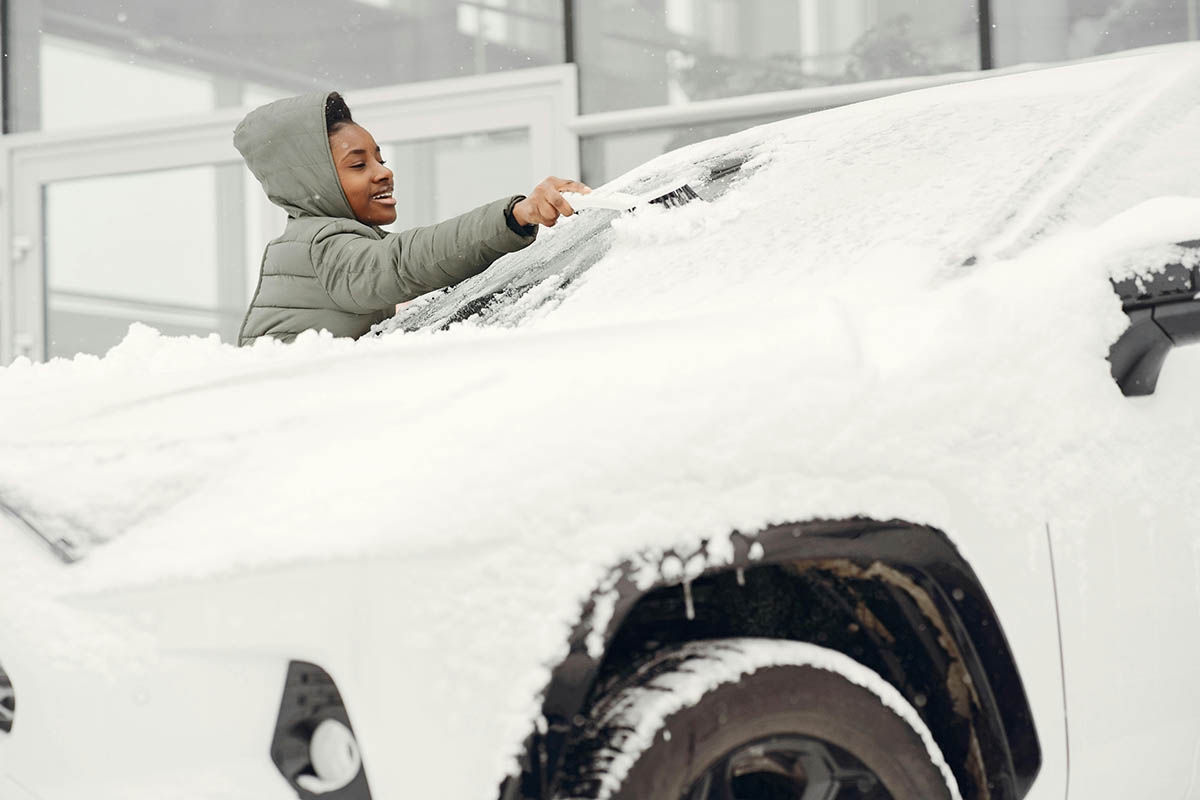
Use a plastic scraper, not a metal tool. Work from the edges of the ice inward. If the ice is thick, apply a windshield-safe de-icing spray first, wait briefly, then scrape. When you need to de-ice your windshield, patience protects the outer glass and laminated layer.
| Winter Problem | Safer Response | What To Avoid |
| Thin frost | Defroster plus plastic scraper | Metal blades |
| Thick ice | Automotive de-icing spray | Boiling water |
| Frozen wipers | Warm gradually before use | Forcing the wiper motor |
| Salt film | Winter washer fluid | Dry wiping |
| Existing chip | Book repair quickly | Max heat directly on glass |
How To Stop The Windscreen From Freezing During The Day
Daytime freezing usually happens after snow melts on warm glass, then refreezes when the temperature drops. Brush snow off the roof, hood, and cowl before driving. If you leave snow packed around the lower windshield, meltwater can run back over the glass and freeze around the wipers.
Road salt and brine also deserve attention. Salt water can enter small cracks, then expand when frozen. Salt buildup can also increase wiper friction, which may leave scratches and glare. Rinse the glass when weather allows, and top up washer fluid before long drives.
If you already have a chip, protect it with clear tape until it can be repaired. Do not press hard on the glass. The goal is to keep dirt and moisture out for a cleaner resin repair.
What To Do When Your Windshield Is Already Frozen
A frozen windshield needs steady heat and careful scraping. Rushing can cost more than the minutes saved.
Follow this order:
- Start the vehicle and use warm defrost.
- Clear loose snow from the roof and windshield first.
- Spray automotive deicer if ice is bonded tightly.
- Scrape with light pressure using a plastic scraper.
- Free the wipers before turning them on.
- Stop if a chip begins to spread.
For defrosting car windows safely, use gradual heat, airflow, and glass-safe tools. When getting frost off of windshield surfaces fast, use the scraper and defroster together. Never pour boiling water on frozen auto glass.
Windshield Insurance FAQs
Can I Put Salt On My Windshield To Prevent Ice?
No. Salt belongs on roads, not on windshield glass. Salt can scratch the surface, and salty water can enter chips or cracks. If it freezes inside a crack, pressure can widen the break. A cover or automotive de-icing product is safer.
Can I Pour Cold Water On My Frozen Windshield?
Cold water is less risky than hot water, but still not ideal. In low temperatures, it can freeze on contact. Use defrost, winter washer fluid, and a scraper instead.
How Do I Defrost Car Windows?
Start the vehicle and turn on the defroster with warm air. Set the fan to a moderate level so the glass heats gradually. Use the rear defroster if needed, and avoid blasting maximum heat right away, especially if there are chips. Let the ice soften, then clear it with a plastic scraper.
How Do I Get Frost Off A Windshield?
Use a combination of the defroster and a plastic scraper. Light frost usually clears quickly once warm air hits the glass. For thicker frost, apply a windshield-safe de-icing spray first, then scrape gently. Avoid metal tools or hot water, as both can harm the glass.
Final Thoughts
Preventing ice damage starts with covering the glass, keeping salt off it, warming slowly, and repairing chips early. Small habits done consistently tend to protect the windshield far more than last-minute fixes. Clearing snow before it melts, keeping the glass clean, and avoiding sudden temperature changes all reduce stress on the surface. Once a crack forms, winter conditions rarely leave it unchanged. It often spreads with each freeze and thaw cycle, especially during highway driving or when heat is applied unevenly. Staying ahead of that progression keeps repair simple and avoids full replacement in many cases.
For repair or replacement pricing in Oakville, get a quote from Auto Glass Zone Oakville.
References
- O. Reg. 256/15 COMMERCIAL MOTOR VEHICLE INSPECTIONS | ontario.ca. www.ontario.ca/laws/regulation/r15256.
- Highway Traffic Act, R.S.O. 1990, C. H.8 | ontario.ca. www.ontario.ca/laws/statute/90h08.