
ADAS is now part of everyday driving for many Canadian vehicle owners. Transport Canada notes that manufacturers are rapidly adding computer-based driver assistance features to improve vehicle safety, performance, and efficiency.1 Systems like lane keep assist and emergency braking are no longer limited to luxury vehicles.
Research behind these technologies shows a real safety impact. Studies have found major crash reductions when advanced braking and driver assistance systems are active.1 That also means these systems need to stay properly set up after glass work or sensor changes.
Many drivers are surprised to learn that a windshield replacement can affect how these features work. In this blog, we discuss everything you need to know about ADAS calibration.
What is Windshield Calibration?
Windshield calibration refers to the process of aligning the forward-facing camera and related sensors with the vehicle’s centreline and the road surface. Many cameras are mounted to a bracket bonded directly to the windshield. Their viewing angle depends on the glass position, thickness, and seating. Even a small shift changes how the camera interprets lane lines and distance. A slight tilt can translate into large positaion errors at highway speed. That is why calibration follows strict placement rules and tool-guided steps.
What is ADAS Calibration?
ADAS calibration describes the broader setup and aiming process for driver assistance sensors. These include the front camera and sometimes radar units that work together with it.
These systems support features like:
- Lane departure warning
- Lane keeping assist
- Automatic emergency braking
- Adaptive cruise control
Each feature depends on accurate sensor alignment. When alignment drifts, system decisions also drift.
ADAS Calibration After Windshield Replacement
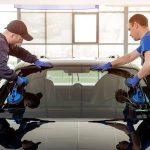
ADAS calibration after windshield replacement is often required because the camera is removed from the old glass and mounted again on the new one. Even when care is taken, the seating position can change by a few millimetres. That is enough to shift the camera’s reference point.
Most late model vehicles now call for calibration after front glass work. A VIN based check confirms whether your specific trim and safety package needs it. Shops that handle windshield replacement in Oakville usually run that check before booking the job so there are no surprises later.
Skipping this step can lead to warning lights, feature shutdown, or incorrect responses from safety systems.
Static Calibration VS. Dynamic Calibration
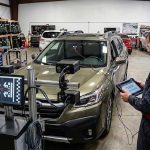
Static calibration happens inside the shop. The vehicle sits on a level floor and printed or reflective targets are placed at exact distances and heights. A scan tool guides the aiming routine while the camera reads the target pattern.
Dynamic calibration happens on the road. The vehicle is driven at a steady speed under specific conditions. The system learns using lane markings and traffic signs over a set time window.
Some vehicles require both methods in sequence.
Calibration Types At A Glance
| Calibration Type | Location | How It Works | Typical Use |
| Static | Shop | Uses fixed targets and scan tools | Camera and radar aiming |
| Dynamic | Road | Uses live road markers | Camera validation |
| Dual | Shop and road | Static first, then drive cycle | Higher-end systems |
What Can Throw Off A Calibration
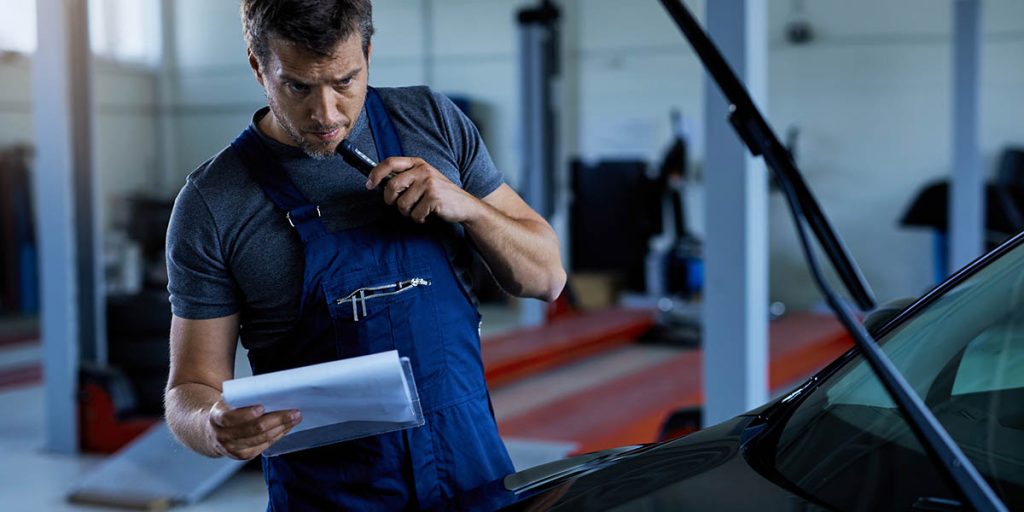
Calibration accuracy depends on setup conditions. Small oversights can invalidate the result.
Common disruptors include:
- Uneven floor slope in the calibration bay
- Incorrect tire pressure
- Heavy cargo changing ride height
- Poor lighting or glare on targets
- Misplaced targets by a few centimetres
Sensor health also matters. Calibration cannot correct a defective camera or distorted glass. If the camera has an internal fault or the windshield has optical distortion, the procedure will fail, and parts may need replacement first.
Is Windshield Calibration Necessary?
For vehicles with windshield-mounted cameras, the answer is often yes.
The camera uses the windshield as part of its optical path. Its programming assumes specific glass properties and mounting geometry. When that geometry changes, the aiming reference changes too.
Misalignment can lead to:
- Late braking responses
- False collision alerts
- Lane centring errors
- Disabled driver assist features
If you are booking ADAS callibration, ask whether the shop provides a printed calibration report. Many insurers ask for that record when calibration is tied to a glass claim.
Questions Drivers Should Ask Before Calibration
A short checklist helps avoid guesswork.
- Do you follow OEM calibration procedures for my model
- Is the calibration area level and controlled for lighting
- Will you scan for fault codes before and after
- Will I receive a calibration report copy
Clear answers show that the shop treats calibration as a separate, technical procedure.
Tip: You may also ask about windshield replacement aftercare guidance, so you can keep the quality of your auto glass even outside the shop.
FAQs
Why Do You Have To Calibrate A Windshield?
You have to calibrate a windshield when it supports a mounted ADAS camera because camera aiming depends on glass position and angle. Even small shifts can create large distance and lane position errors at speed.
Is Calibration Necessary After Windshield Replacement?
Yes. Replacement changes the mounting relationship between the camera and the body structure, which calls for windshield camera recalibration under manufacturer rules.
How Long Does ADAS Calibration Take?
How long does ADAS calibration take depends on the method. Static calibration often runs 30 to 60 minutes, including setup. Dynamic calibration usually requires a 10 to 20-minute drive at a steady speed under the right road conditions. Dual routines take longer because they combine both steps.
What is The Cost of ADAS Calibration?
The cost of ADAS calibration depends on several factors, including the vehicle’s make and model, the type of calibration required, and the equipment the shop needs to complete it. Shops that use static procedures with targets and scan tools generally charge more than those doing only dynamic on-road calibration.
In many cases, Canadian insurance providers will include ADAS calibration costs as part of a comprehensive glass claim, as long as you have proper documentation showing the exact calibration steps and results.
Book A Proper Quote With Auto Glass Zone Oakville
If your vehicle has driver assistance features and needs glass work, get a proper assessment first. Request an auto glass quote from Auto Glass Zone Oakville and ask about calibration requirements at the same time. That keeps the repair, calibration, and documentation aligned from the start.
References
Canada, Transport. “Background: Advanced Driver Assistance Systems.” Transport Canada, 6 Oct. 2025, tc.canada.ca/en/corporate-services/consultations/background-advanced-driver-assistance-systems.