

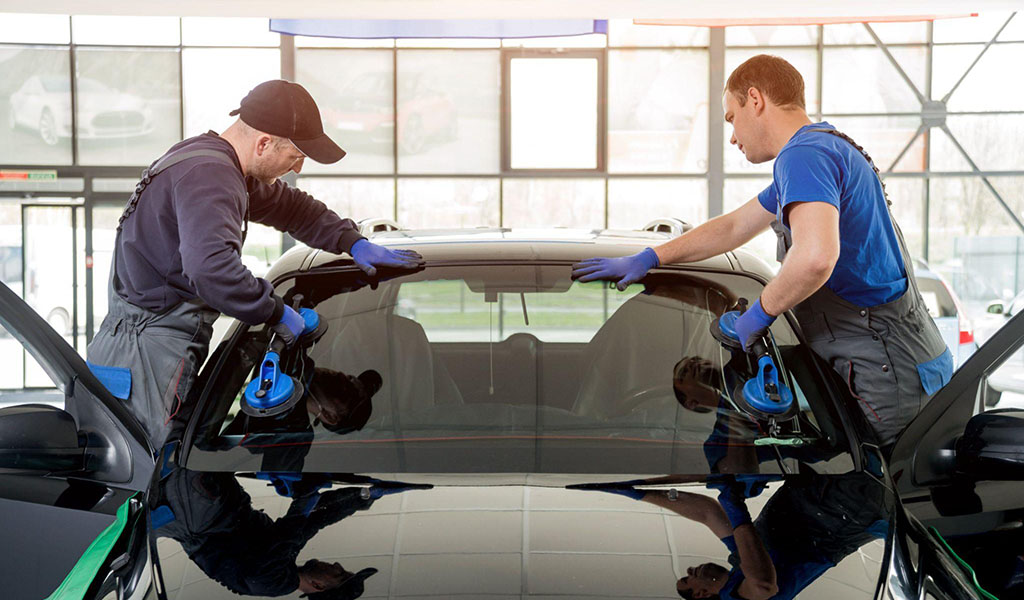
A small chip can look harmless at first. In Canadian weather, that damage can spread faster than expected. Temperature swings, road vibration, and moisture all add stress to the glass, which makes the decision of choosing windshield repair or replacement not cosmetic. It affects visibility, vehicle structure, and how safety systems respond in a collision.
Knowing when cracked windshield repair makes sense, and when replacement is unavoidable, helps avoid wasted time and money.
Chipped vs. Cracked Windshield: What’s The Difference?
A chip is usually a small point of impact. Common types include bullseyes, star breaks, half moons, and surface pits. Chips tend to stay contained when addressed early.
A crack travels. It can run horizontally, vertically, or branch outward from a chip. Cracks are more sensitive to vibration and temperature changes. Damage that reaches the edge of the windshield is far more likely to spread and weaken the bond between the glass and frame.
When Can A Windshield Be Repaired?
A repair is possible only when the damage is limited to the outer layer of laminated glass. If the crack penetrates both glass layers or reaches the plastic interlayer, repair will not restore structural strength.
As a general guideline, chips around the size of a quarter or smaller may qualify. Short cracks under 50 mm may still be repairable if they are clean and stable.
Cracked windshield repair is more likely to succeed when the damage sits away from the edge and outside the driver’s primary viewing area.
Signs A Repair May Be Possible
- The damage is small and clearly defined
- The break is not close to the edge
- Dirt, moisture, or road salt has not entered the crack
- The mark does not distort the driver’s line of sight
If you are driving with a cracked windshield, delaying action increases the chance of spreading, especially on rough roads.
When Is A Windshield Crack Too Big To Repair?
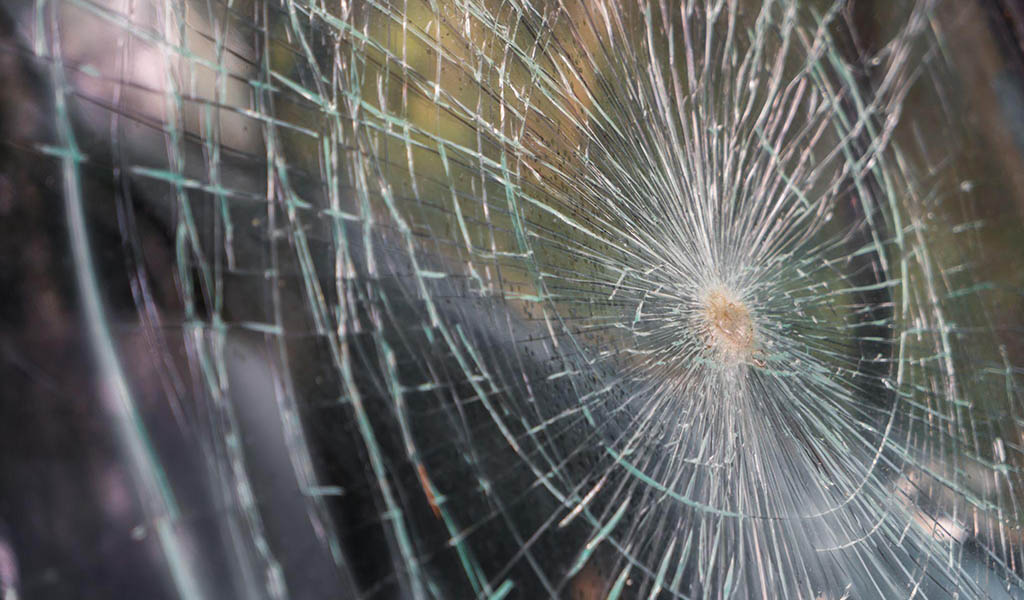
Cracks longer than 50 mm are commonly treated as replacement cases. Damage close to the edge is also a concern, even when short, because edge stress makes spreading more likely.
Multiple chips can also push a windshield beyond repair limits. If a previous repair has failed or reopened, replacement is typically the only reliable option.
When Should You Replace Your Windshield?
When a cracked windshield needs to be replaced depends on how severe the damage is. Cracks longer than 50 mm fail inspection anywhere on the windshield. Damage that interferes with the driver’s view also fails, even if it looks minor from outside the vehicle.
Modern vehicles add another factor. Many use forward-facing cameras and sensors mounted behind the windshield. Any damage in these areas usually rules out repair. Replacement also requires camera recalibration to restore accurate system performance.
Common Replacement Triggers
- Cracks longer than the inspection limits
- Damage reaching the windshield edge
- Distortion in the driver’s viewing area
- Damage affecting both layers of glass
- Sensor or camera zones involved
Ontario’s Safety Standards Certificate rules also state that windshield damage exceeding inspection limits, or affecting the driver’s view, will fail inspection, which makes replacement mandatory.1
Repair Versus Replacement Costs And Timing
Repairs are often quick and may not involve a deductible, depending on coverage. Replacement takes longer and usually includes calibration for vehicles with advanced driver assistance systems or ADAS.2
Repair Vs Replacement Comparison
| Factor | Repair | Replacement |
| Typical Time | 30 to 60 minutes | 2 to 4 hours plus cure time |
| Deductible | Often waived | Often applies |
| ADAS Calibration | Not required | Mandatory |
| Cost Range | Lower | Higher, especially with calibration |
After replacement, inspect the trim and seals. Wind noise or moisture can signal installation issues. A leaking windshield often points to bonding or trim problems that should be addressed early.
FAQs
When To Worry About A Cracked Windshield
You should worry when the crack begins to spread, causes glare, or affects your view of the road. Night driving and rain often make these issues more noticeable. Cracks near the edge or in front of the driver deserve prompt inspection, even if they look small.
Does A Cracked Windshield Need To Be Replaced?
Not every crack requires replacement. Short cracks and small chips may qualify for repair if they stay within size limits and are positioned away from critical viewing areas. Replacement is required when the crack exceeds inspection limits, reaches the edge, or affects safety systems.
Can A Windshield Crack Be Repaired?
A windshield crack can be repaired only in limited cases. It must be short, clean, and stable. Once a crack grows, branches, or becomes contaminated with dirt or moisture, repair is unlikely to hold.
What Windshield Damage Can Be Repaired?
Repairable damage usually includes small chips such as bullseyes, star breaks, half moons, and minor surface impacts. These repairs work best when completed soon after the damage occurs.
If Your Windshield Is Cracked, Will It Break?
A cracked windshield can spread suddenly. Temperature changes, potholes, door slams, and highway vibration all increase stress on damaged glass. While the windshield will not shatter like tempered glass, spreading can quickly turn a repairable crack into a replacement.
How We Can Help
Auto Glass Zone Oakville inspects windshield damage against repair and replacement limits, taking inspection standards and vehicle technology into account. When replacement is required, calibration is handled as part of the process.
If the vehicle is no longer worth repairing, request a quote from us!
References
- “Safety Standards Certificate.” ontario.ca, 1 Apr. 2025, www.ontario.ca/page/safety-standards-certificate#section-4.
- Canada, Transport. “Background: Advanced Driver Assistance Systems.” Transport Canada, 6 Oct. 2025, tc.canada.ca/en/corporate-services/consultations/background-advanced-driver-assistance-systems.